
Buying a home is likely the largest financial commitment you will ever make. Yet thousands of buyers exchange contracts each year without a single test being carried out on the electrical installation inside the property they are about to own. When something goes wrong after completion — and electrical problems can be both dangerous and very expensive — there is no one to turn to.
So should you get an Electrical Installation Condition Report (EICR) before buying? Here is the honest answer, and everything you need to know before making that decision.
Is an EICR Legally Required When Buying a House?
No. There is no legal requirement for a buyer or a seller to commission an EICR as part of a residential property transaction. That said, the picture is changing. Some mortgage lenders and conveyancers — particularly on older properties — are beginning to request electrical compliance evidence before a loan is approved or contracts are exchanged. If your lender or solicitor asks for documentation and none exists, you may find yourself commissioning an EICR under time pressure anyway.
More importantly, the absence of a legal requirement does not mean it is a good idea to skip one.
Does a Standard Homebuyer Survey Cover the Electrics?
This is the most common misconception buyers make.
A RICS Homebuyer Survey or a Level 2/Level 3 structural survey will include a visual note on the electrics. A surveyor might record that the consumer unit appears old, or that wiring looks dated. What they will not do is test a single circuit, open the consumer unit, or assess whether the installation is safe or compliant.
A surveyor's electrical observations are a flag, not a verdict. If the surveyor writes "the electrical installation appeared dated and specialist inspection is recommended," that is their way of telling you they have no idea what condition the wiring is in — and neither do you.
An EICR is a completely different exercise. A qualified electrician physically inspects the installation, tests every circuit, and produces a formal report under the BS 7671 wiring regulations. It is the only document that actually tells you what is going on inside the building.
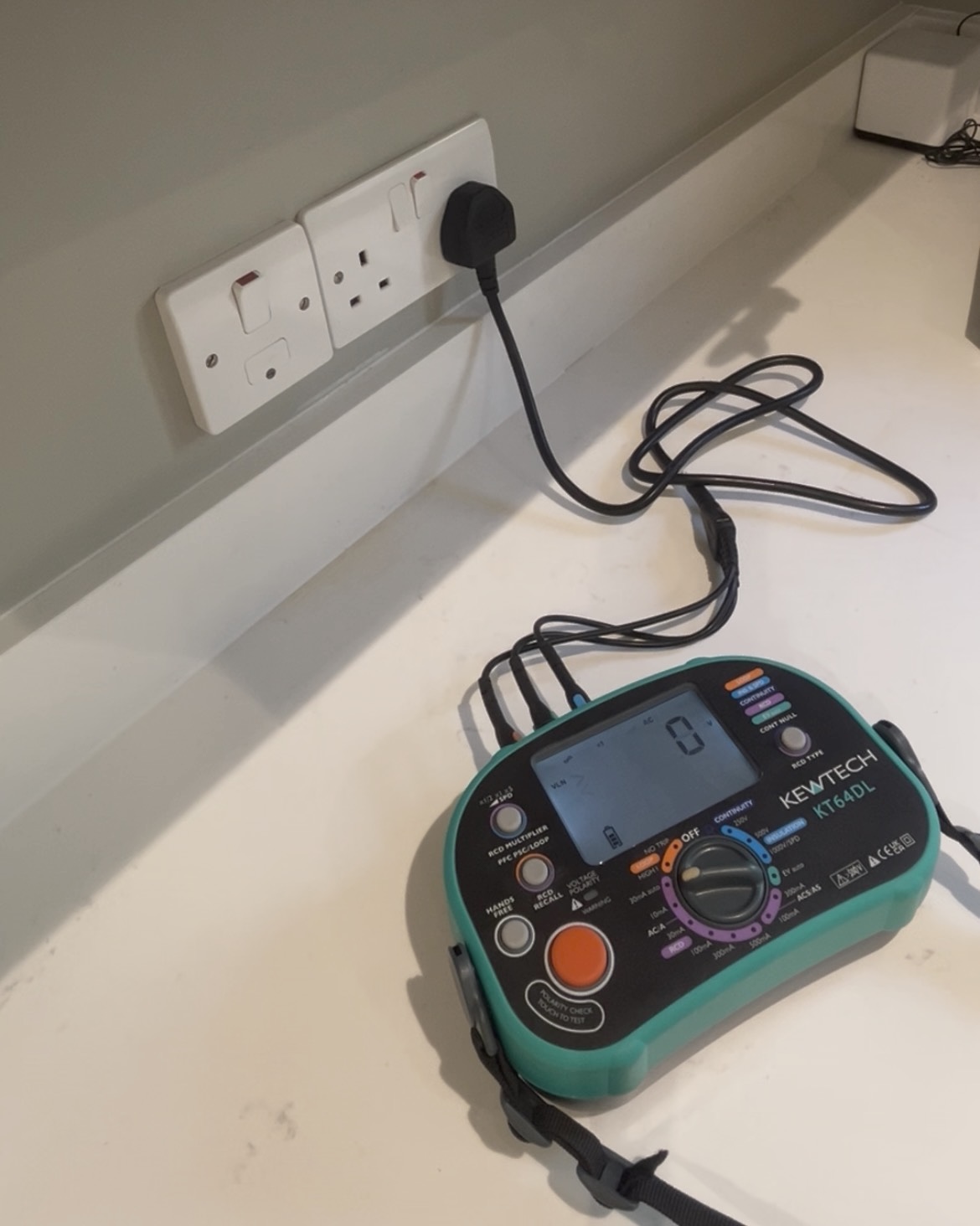
What Does an EICR Actually Reveal?
A full EICR gives you a detailed picture across the whole property:
- Condition of the consumer unit (fuse board) — whether it is a modern metal unit with RCBOs, an older plastic board (banned under 18th Edition regulations due to fire risk), or an outdated rewireable Wylex board with no RCD protection
- Condition of the wiring — modern PVC-insulated cables are very different from rubber-sheathed or lead-sheathed wiring found in pre-1970s properties, which deteriorates with age and becomes brittle and dangerous
- Earthing and bonding — whether the installation is properly earthed, and whether metallic pipework is bonded correctly
- RCD and RCBO protection — whether circuits are protected against electric shock and fire; many older properties have no RCD protection at all
- Circuits that are unsafe or non-compliant — recorded as C1 (immediate danger), C2 (potentially dangerous), or C3 (improvement recommended)
- Anything that requires immediate remedial work versus items that represent longer-term recommendations
The report concludes with an overall classification of either Satisfactory or Unsatisfactory.
Why It Matters Financially
| Work Required | Approximate Cost |
|---|---|
| Minor remedial work (adding bonding, replacing sockets) | £100–£400 |
| Consumer unit / fuse board upgrade | £400–£900 |
| Partial rewire (one floor or specific circuits) | £1,500–£3,500 |
| Full house rewire | £3,000–£10,000+ |
A property with rewireable fuse board wiring and rubber-sheathed cables throughout could easily require a full rewire. That is a five-figure sum that the seller has — until now — given you no reason to think about.
If you discover this before exchange of contracts, you have options:
- Renegotiate the purchase price — use the EICR report and quotes for remedial work to support a reduction in the agreed price
- Require the seller to carry out remedial work before completion
- Walk away — if the scope of work is beyond what you are willing to take on, an EICR gives you the evidence to make that decision without having already exchanged
Once you have exchanged contracts, you have committed. Electrical problems discovered after exchange are your problem, at your cost.
Older Properties Carry Higher Electrical Risk
- Pre-1970s wiring — rubber-sheathed or lead-sheathed cables that degrade over time and can cause arcing and fires
- Rewireable fuse boards (Wylex, Wirelex) — no RCD protection, risk of incorrect fuse wire being fitted
- Old plastic consumer units — now prohibited under 18th Edition regulations due to fire risk, particularly when located under stairs or in confined spaces
- No RCD protection — leaves occupants exposed to a significantly higher risk of fatal electric shock
- TT earthing systems — common in rural properties; require careful assessment
None of these issues will be obvious during a viewing. None of them will appear in a structural survey beyond a generic recommendation to get an electrical inspection.
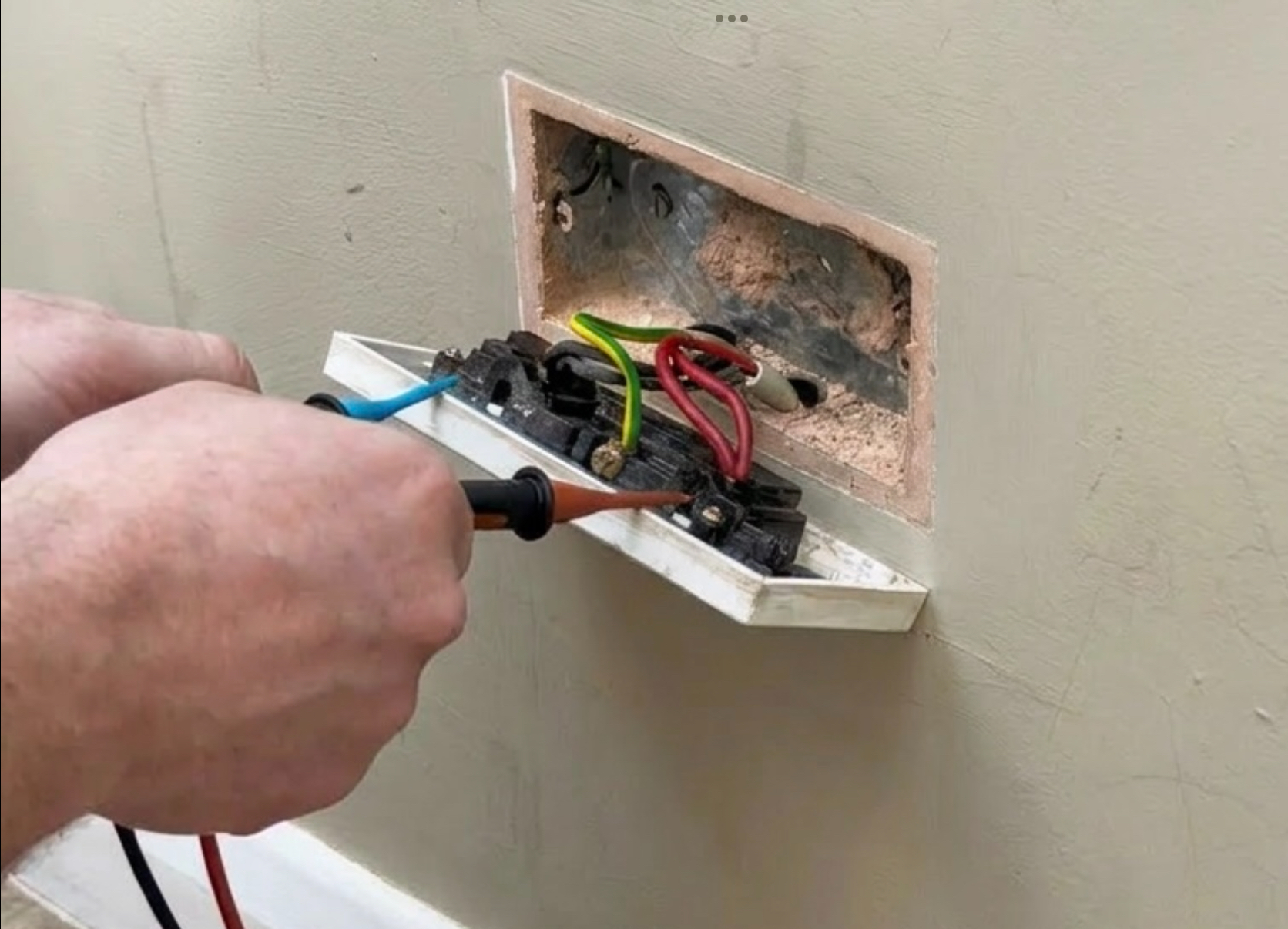
When Should You Commission an EICR?
The ideal window is after your offer has been accepted but before you exchange contracts.
This gives you:
- Enough time to receive the report and obtain remedial quotes
- Full flexibility to renegotiate price, request works, or withdraw without financial penalty
- Leverage in any conversation with the seller — you have a formal, documented report, not a vague concern
Commissioning an EICR after exchange but before completion gives you information but removes most of your leverage. Commissioning it after completion gives you nothing except a bill.
How Much Does an EICR Cost?
| Property Type | EICR from |
|---|---|
| Studio flat | £200 |
| Flat | £280 |
| House | £350 |
| Large house / extended property | £400+ |
An EICR costs less than most people spend on a structural survey, and it protects a financial commitment that typically runs into the hundreds of thousands of pounds.
What Happens if the EICR Reveals Problems?
An unsatisfactory EICR does not automatically mean a deal falls apart. Most electrical issues are fixable. What the report gives you is documented evidence and a basis for action.
- Renegotiate the price — a formal document with C1 and C2 coded defects is strong grounds for a price reduction
- Ask the seller to remedy — some sellers will arrange and pay for remedial work before completion to keep the sale moving
- Proceed with full awareness — if the issues are minor and the price reflects them, you can proceed knowing exactly what work is required
- Withdraw — if the issues are extensive, you have the option to pull out before exchange without penalty
A Smart Step for a Major Decision
An EICR before buying a house is not a luxury — it is straightforward financial due diligence on a major asset. You would not buy a second-hand car without checking the engine. The electrical system running through every room of your new home deserves at least the same scrutiny.
Power Team Electrics is Part P certified and 18th Edition compliant. We carry out pre-purchase EICRs for property buyers across Surrey (Guildford), Kent (Maidstone), Essex (Chelmsford), Hertfordshire (St Albans), Berkshire (Reading), Buckinghamshire (Milton Keynes), and Sussex (Brighton).
Our reports are clear, jargon-free, and produced to give you the information you need — not just a tick-box exercise. We can turn around pre-purchase EICRs quickly to fit within conveyancing timelines.