
An Electrical Installation Condition Report (EICR) is one of the most misunderstood documents in property ownership. Some people believe it is mandatory for everyone. Others assume it is entirely optional. The truth lies somewhere in the middle — and the answer depends entirely on what you do with your property.
What Is an EICR?
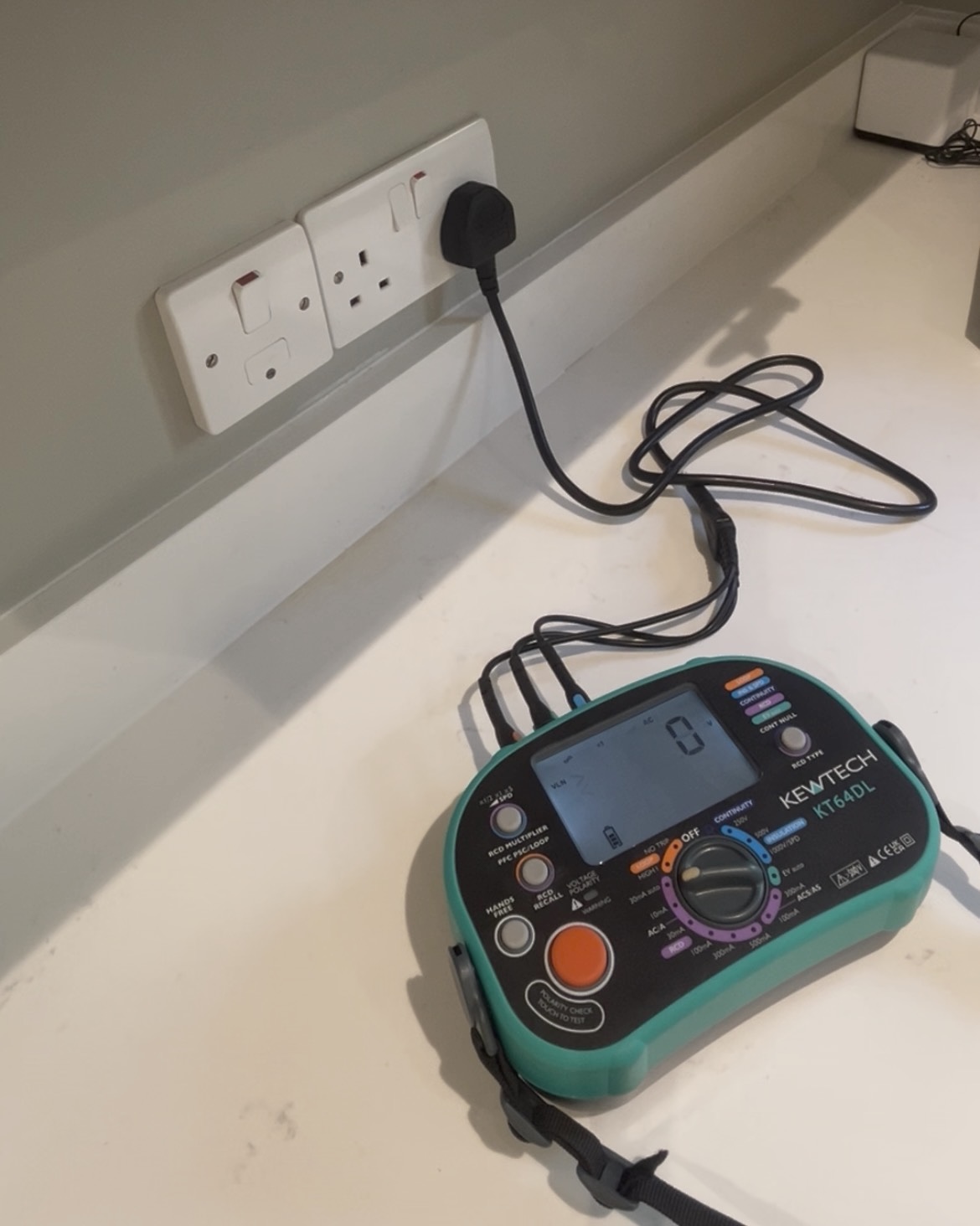
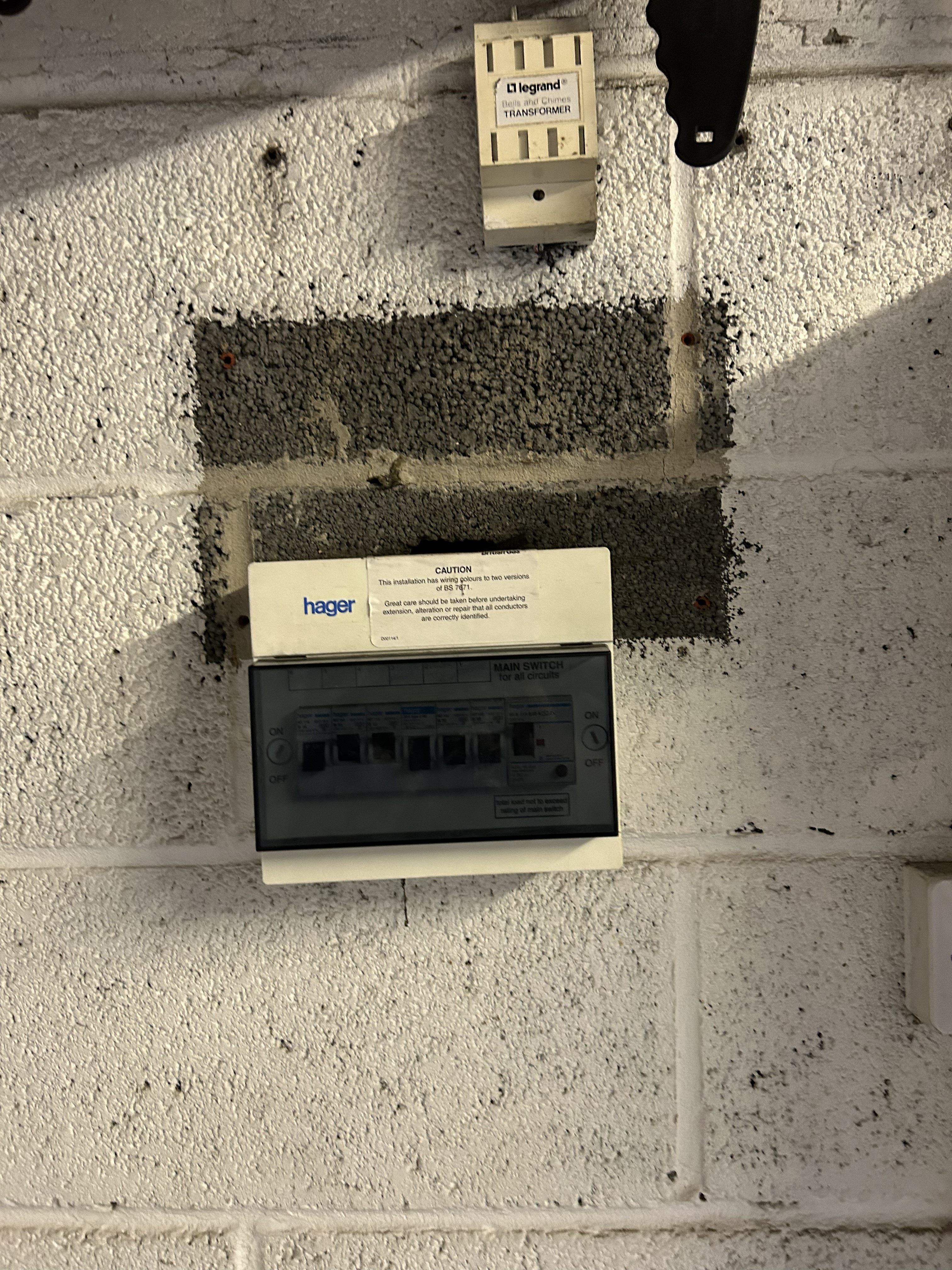
An Electrical Installation Condition Report is a formal assessment of the fixed electrical installation within a property. A qualified electrician inspects the wiring, consumer unit (fuse board), earthing arrangements, sockets, switches, and any other fixed electrical components.
The report uses a standard coding system:
| Code | Meaning |
|---|---|
| C1 | Danger present — immediate risk of injury. Remedial action required immediately. |
| C2 | Potentially dangerous — urgent remedial action required. |
| C3 | Improvement recommended — not immediately dangerous, but advisable. |
| FI | Further investigation required — an issue has been identified but cannot be fully assessed without additional work. |
A property passes as Satisfactory only when there are no C1, C2, or FI codes present. A C3 does not cause a fail — it is a recommendation, not a defect.
For Landlords: An EICR Is a Legal Requirement
If you rent out a property in England, an EICR is not optional. It is a statutory obligation under the Electrical Safety Standards in the Private Rented Sector (England) Regulations 2020, which came into force on 1 June 2020.
Which Properties Are Covered?
The Regulations apply to all private rental properties in England, including:
- Houses let to individual tenants or families
- Flats and apartments in purpose-built blocks
- Houses in Multiple Occupation (HMOs)
- Properties let through a letting agent
- Properties let on Assured Shorthold Tenancies (ASTs)
What Does the Law Require?
Under the Regulations, landlords must:
- Have the electrical installation inspected at least every 5 years by a qualified person
- Provide a copy of the EICR to existing tenants within 28 days of the inspection being completed
- Give a copy to new tenants before they occupy the property
- Supply a copy to the local authority within 7 days if requested
- Carry out remedial work identified as C1 or C2 within 28 days of the inspection (or sooner if specified)
- Provide written confirmation from the electrician that remedial work has been completed
What Are the Penalties for Non-Compliance?
- The local authority can issue a remedial notice requiring immediate action
- If the landlord does not comply, the authority can arrange for the work to be done and recover the costs
- The local authority can also impose a financial penalty of up to £30,000
For Homeowners: An EICR Is Not a Legal Requirement — But It Is Strongly Recommended
If you own and occupy your own home, there is no legislation that requires you to obtain an EICR. However, the absence of a legal requirement does not mean the absence of good reasons to have one.
Recommended Frequency for Owner-Occupied Homes
- Every 10 years as an absolute minimum
- Every 5 years is better practice, particularly for older properties
The electrician carrying out the inspection has professional discretion to issue a report with a shorter recommended validity period — 3 years, or even less — if the installation shows signs of deterioration, has been subject to unusual wear, or if there are findings that warrant monitoring. A certificate with a shorter validity period is not a failure; it is an honest assessment.
When Should a Homeowner Book an EICR?
Before Buying a Property — a property survey does not include detailed electrical testing. An EICR gives you a technically detailed picture before you commit.
After Major Renovation Work — if walls have been opened, circuits extended, or significant building work has been carried out.
Before Installing an EV Charger or Solar Panels — provides a baseline and may identify issues that need resolving before the new installation can be safely commissioned.
If the Property Is Old and Has Never Had One — properties with original 1960s or 1970s wiring, rewireable fuse boards, or no RCD protection are operating with components never designed for modern electrical demands.
If You Are Aware of Any Electrical Issues — recurring circuit breaker trips, flickering lights, warm sockets, or a smell of burning near electrical fittings are warning signs.
Insurance and Mortgage Considerations
- Some home insurers require evidence of a valid EICR as a condition of cover, particularly for older properties
- Mortgage lenders are increasingly requesting an EICR on older properties as part of the conveyancing process, particularly on properties built before 1970
Other Scenarios Where an EICR Is Required or Expected
Houses in Multiple Occupation (HMOs)
HMOs have their own licensing framework, which includes mandatory electrical safety requirements. HMO landlords must ensure that fixed wiring is inspected at least every 5 years by a qualified electrician.
Commercial Properties
Businesses occupying commercial premises are required to maintain their electrical installation in a safe condition under the Electricity at Work Regulations 1989. The recommended interval for most commercial properties is every 5 years.
Change of Occupancy
Even outside the statutory landlord requirement, a change of occupancy is always a sensible trigger for an electrical inspection.
EICR Comparison: Landlords vs Homeowners
| Landlords (England) | Homeowners | |
|---|---|---|
| Legal requirement? | Yes — Electrical Safety Standards in the Private Rented Sector (England) Regulations 2020 | No |
| How often? | At least every 5 years, or at change of tenancy if sooner | Every 10 years minimum; every 5 years recommended |
| Documentation required? | Yes — copy to tenant, copy available for local authority within 7 days | No formal obligation, but retain the certificate |
| Remedial work timescale? | C1 and C2 defects within 28 days (C1 may be immediate) | No statutory timescale, but prompt action strongly advised |
| Penalty for non-compliance? | Financial penalty up to £30,000 | No statutory penalty, but insurance and safety risks apply |
Power Team Electrics: EICR Inspections Across the Home Counties
At Power Team Electrics, we carry out EICR inspections for landlords, homeowners, and businesses across Surrey, Kent, Essex, Hertfordshire, Berkshire, Buckinghamshire, and Sussex. Every inspection is carried out by a qualified, 18th Edition compliant electrician.
Coverage areas: Guildford (Surrey), Maidstone (Kent), Chelmsford (Essex), St Albans (Hertfordshire), Reading (Berkshire), Milton Keynes (Buckinghamshire), Brighton (Sussex).