
There is a simple truth that anyone who has carried out a genuine Electrical Installation Condition Report already knows: it takes time. Real time. A minimum of two hours for a small studio flat; a full day for a larger property. For a three- or four-bedroom house, expect the best part of an afternoon, if not longer.
When you understand what a proper EICR involves — circuit by circuit, test by test — a quote under £100 becomes self-explanatory. Either the work is not being done, or the person doing it is not qualified.
A Proper EICR Cannot Be Done for Under £100
This is not a matter of market positioning. It is a matter of time and cost. A qualified electrician carrying a multifunction tester, registered with a Part P competent persons scheme, insured, and travelling to your property cannot complete a genuine inspection for less than it costs them to get there. The numbers simply do not work.
What a quoted price below £100 tells you is one of two things: either a cursory visual check will be carried out and presented as a full inspection, or the certificate has been prepared in advance with no inspection taking place at all. Neither result is a legitimate EICR.
What a Genuine EICR Actually Involves
An Electrical Installation Condition Report is not a visual inspection with a clipboard. It is a systematic, circuit-by-circuit examination of your electrical installation against the requirements of BS 7671:2018 (18th Edition).
For every circuit in the property, a qualified electrician must carry out:
- Insulation resistance testing — verifying the insulation between live conductors and earth has not degraded
- Earth continuity checks — confirming protective earth conductors are intact and connected throughout
- RCD operation testing — tripping every RCD and RCBO under load conditions to verify trip times and sensitivity
- Polarity verification — checking that live, neutral, and earth conductors are correctly connected throughout the circuit
Each test result is recorded against the circuit it relates to. Every deviation from the standard receives a code: C1 (danger present), C2 (potentially dangerous), C3 (improvement recommended), or FI (further investigation required).
This is not fast. For a property with 10 circuits, you are looking at a minimum of two to three hours of hands-on testing before any paperwork begins. Larger properties, properties with older wiring, or properties where access is difficult can take a full working day.
At any reasonable rate for a qualified electrician — accounting for travel, insurance, equipment calibration, and the cost of holding a legitimate Part P certification — a two-hour minimum job does not come back for £100. It cannot. The maths do not work.
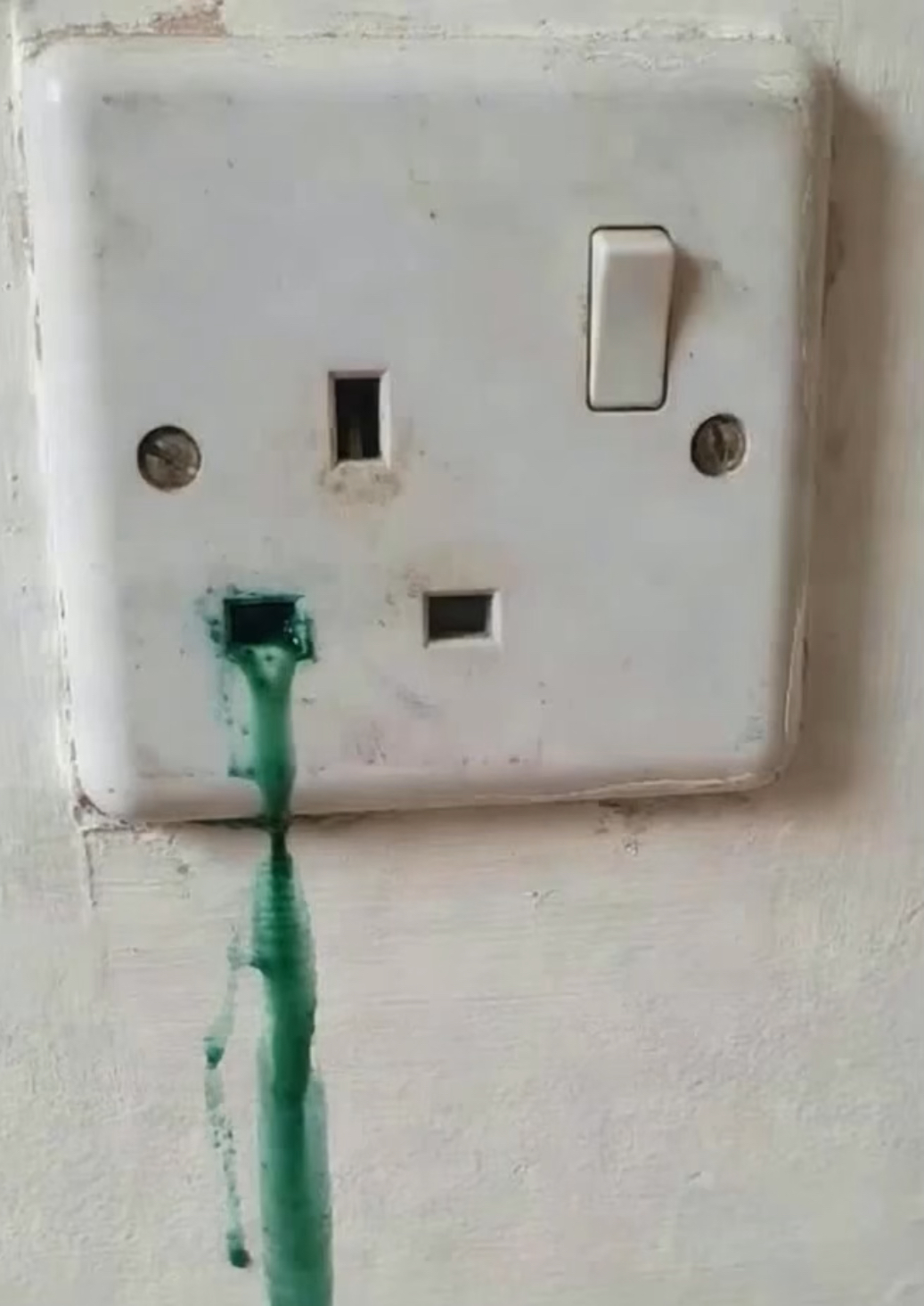
The Two Types of Fake EICR — Both Well-Known in the Industry
The electrical industry is familiar with two distinct forms of EICR fraud. Both result in a piece of paper that looks legitimate. Neither provides any genuine protection.
Type 1: The Van Job
This is the simpler of the two. The "electrician" arrives, does a cursory visual check — or nothing at all — and then sits in the van. The paperwork is completed there. The certificate is formatted correctly. It has logos, signatures, circuit details. It looks exactly like the real thing.
But the circuits were never tested. The insulation was never measured. The RCDs were never tripped. The earth continuity was never verified.
Any dangerous faults that existed before the inspection still exist. The homeowner or landlord now holds a document that says their property is electrically safe — but nothing in that property has been checked.
For homeowners, this is a safety issue. For landlords, it is considerably worse. Under the Electrical Safety Standards in the Private Rented Sector (England) Regulations 2020, landlords are legally required to have a valid EICR carried out every five years. A fake certificate does not satisfy this requirement. If a tenant is injured as a result of an electrical fault — a fault that a genuine inspection would have identified — that certificate is not a defence. It may actively worsen the landlord's legal position, because it demonstrates the property was inspected and cleared when it was not.
Type 2: The Fault Factory
The second type operates in the opposite direction. The "electrician" carries out just enough of an inspection to give themselves a basis for producing a report — but the findings on that report are fabricated, exaggerated, or both.
C1 and C2 codes appear throughout. The installation is condemned. A full rewire is recommended, often quoted at several thousand pounds. Sometimes additional remedial work is specified on top of that.
Common targets are elderly homeowners, landlords unfamiliar with electrical standards, and buyers who have just received a poor survey report. In each case, the target is someone who has reason to worry about the condition of the electrics and limited ability to challenge a technical report. The rewire is agreed. The money changes hands. The "electrician" completes the work — or does not complete it properly — and moves on. In legitimate cases, there is no Part P certificate issued for the rewire. No Building Regulations notification. No third-party inspection. The homeowner has paid thousands of pounds for work they may not have needed, carried out to an unknown standard, with no legal protection.
A genuine EICR with honest findings gives homeowners and landlords the information they need to make sensible, proportionate decisions. A legitimate electrician does not use a condition report as a mechanism for generating unnecessary work.
How to Identify a Legitimate EICR Electrician
Before booking any EICR, ask these questions. A genuine electrician will answer all of them without hesitation.
Are you registered with a Part P competent persons scheme? Legitimate electricians are registered with NAPIT, NICEIC, Elecsa, or a similar approved scheme. Membership can be verified directly on each scheme's website. If an electrician cannot name their scheme or provide a membership number, stop there.
How long will the inspection take? For a studio flat, the minimum is around two hours. For a one- or two-bedroom flat, allow half a day. A three- or four-bedroom house will typically require between three and five hours. If the answer is "an hour" or "it won't take long", that is a warning sign.
What does your quote include? A proper quote should account for the electrician's time, travel, test equipment, insurance, and the formal EICR document. A quote that seems to include all of this at a price that would not cover an hour's labour is not a price — it is an admission.
What will the report look like? A genuine EICR is a detailed, multi-page document listing every circuit tested, the results for each test, and the overall condition of the installation. It is issued on the letterhead of a registered company and includes the electrician's scheme membership number. It is not a single-page tick sheet.
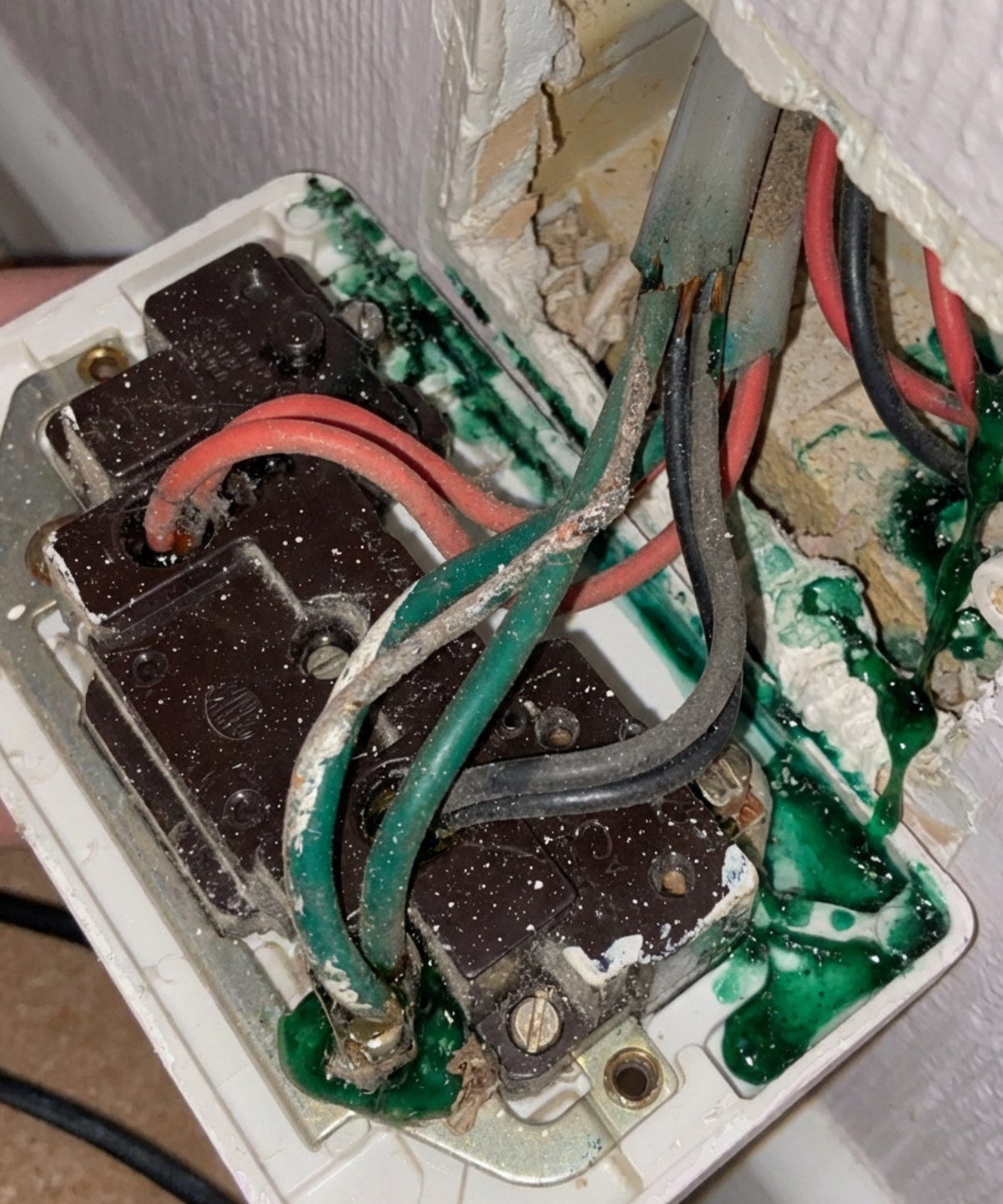
What a Genuine EICR Should Cost
| Property Type | Typical EICR Cost |
|---|---|
| Studio flat | £150 – £250 |
| One- or two-bedroom flat | £200 – £300 |
| Three-bedroom house | £300 – £400 |
| Four or more bedrooms | £400 and above |
If you are being quoted significantly below these figures, the question is not whether you are getting a good deal. The question is what is being left out.
Power Team Electrics' Approach to EICRs
At Power Team Electrics, we do not compete on price with electricians who do not do the work properly. That is not a positioning statement — it is a description of what the job requires.
Our EICRs start from £200 for a studio flat, £280 for a flat, and £350 for a house, with larger properties quoted individually. Every inspection takes a minimum of two hours for smaller properties; larger properties take a full day.
We test every circuit individually: insulation resistance, earth continuity, RCD operation, and polarity — documented per circuit. The report you receive is the formal EICR document, coded to BS 7671 standards, issued under our Part P certification.
If we find a C1 or C2, we tell you exactly what it is and what remedying it involves. We do not manufacture findings. We do not use a condition report as a mechanism to generate unnecessary work. If your installation is in good condition, we will tell you that — and the report will reflect it.
We cover Surrey (Guildford), Kent (Maidstone), Essex (Chelmsford), Hertfordshire (St Albans), Berkshire (Reading), Buckinghamshire (Milton Keynes), and Sussex (Brighton).